Here's a little history lesson that you may actually enjoy :)
While a lot of people only heard about the EZ-Flash Omega in the last year or two, the actual people who make the card have been around for a long, long time. I may be aging myself here, but I remember when the Gameboy Advance came out and I was on a trip to Asia and found an EZ FLASH ADVANCE 256M cartridge for the GBA. At that time I had no idea what it really was, but the shop where I bought it was helpful and allowed me to watch them show me how to use the card. I was amazed, to say the least.
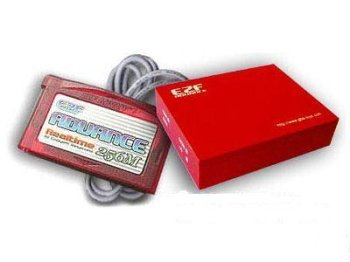
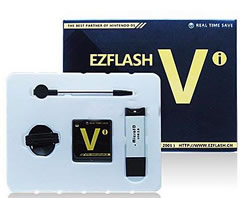
First there was the Advance - The EZ FLASH Advance
The EZteam is a respected group among video gamers and is well-known for making top of the line flashcards. The EZteam has released the EZflash Advance and after that the EZ FLASH V Plus which is an upgrade from the previous work, the EZflash V. This version is now able to support Micro SD cars exceeding 2gb, something its predecessor was unable to do.
This card came about when the DS was released and the EZ Flash team wanted to have a cartridge for the DS and DSi consoles. These didn't play GBA games though, they were more for the DS gamers.
It was actually between the EZ Flash Advance and the EZ FLASH V the original EZ FLASH IV was released. The EZ Flash advance has built in memory on which to store the game files, and there were several versions. If I recall it started with the 64mbit, then the 128mbit, 256bit and finally the 512mbit cartridges. This memory in the cartridges is where you store your games.
Prices were based on the amount of memory you wanted. This was one of the big drawbacks of built in memory. If you wanted the highest end 512Mbit version, you could expect to pay upwards of $250.00 due to the high prices for memory back in the early 2000's
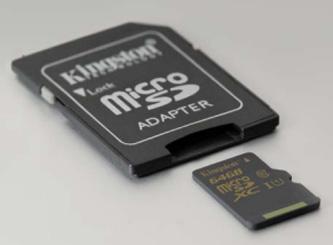
The EZ Flash iV (now renamed and upgraded to the EZ FLASH OMEGA) was one of the first carts to use Mini SD cards and then Micro SD Cards.
It made a huge difference - and reduced the price of the EZ Flash to under $75.00 because it did away with the built in ram and was able to use readily available Mini SD and microSD cards. Sure, you still had to pay for the card, but it was a lot cheaper than built in ram versions.
© Copyright EZ Flash Omega